NATO chief warns Europe must prepare for war against Russia
12/13/2025 / By Kevin Hughes
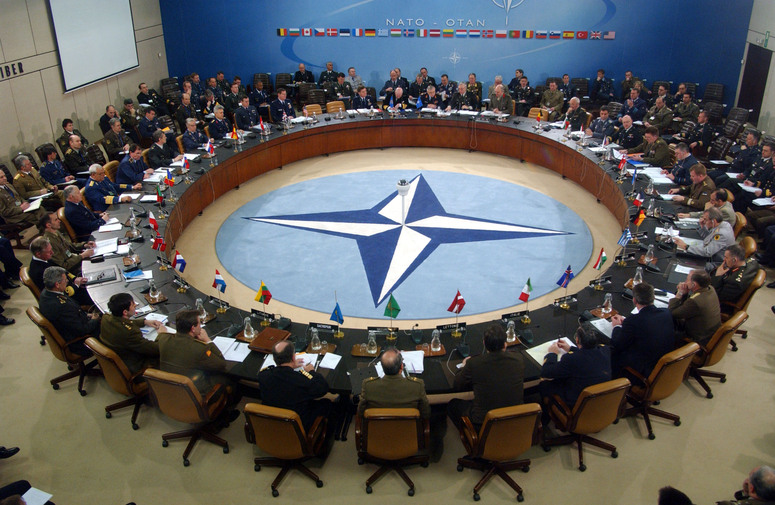
- North Atlantic Treaty Organization (NATO) Secretary General Mark Rutte warned that Russia could attack NATO within five years, urging member states to urgently increase defense spending and weapons production to deter a potential conflict rivaling World War II in scale.
- Russia’s war economy is producing staggering quantities of military hardware (150+ tanks, 550+ infantry vehicles, 120+ drones monthly), far exceeding NATO’s current production capacity, while Europe struggles to meet defense spending targets.
- Beyond conventional threats, Russia is intensifying cyberattacks, sabotage and drone incursions into NATO airspace, with recent incidents in Romania and Estonia undermining Moscow’s claims of having “no plans” to attack NATO.
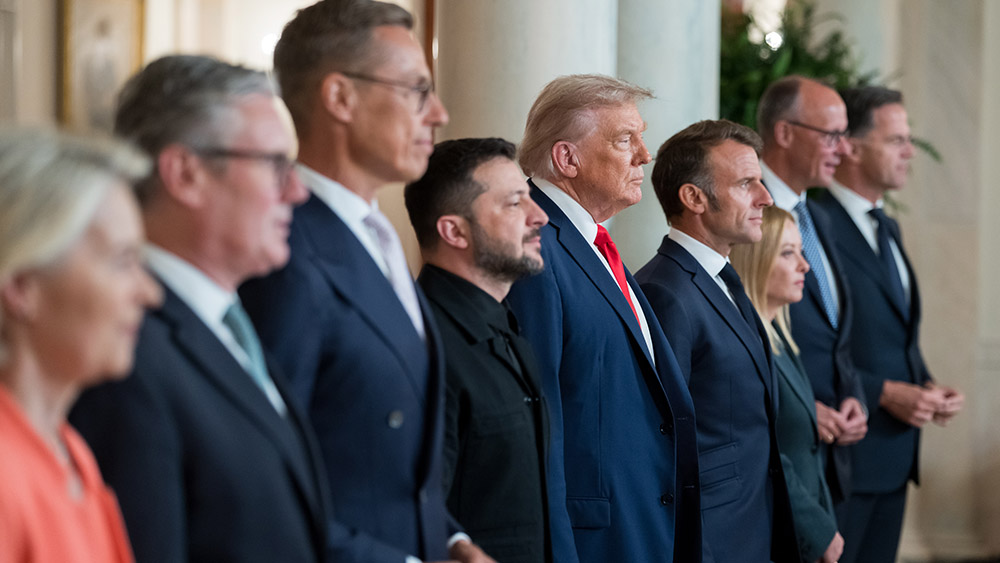
- U.S. pressure for a negotiated settlement in Ukraine has unsettled European allies, fearing concessions would embolden Russian President Vladimir Putin. Ukrainian President Volodymyr Zelensky rejects territorial surrender but floats a referendum, while Trump pushes for wartime elections—opposed by Kyiv and European leaders.
- Transatlantic tensions persist over defense spending and U.S. leadership, but Rutte stressed that Europe’s security is vital for America’s safety. With Russia accelerating its war machine and NATO lagging, he warned: “The time for action is now.”
North Atlantic Treaty Organization (NATO) Secretary General Mark Rutte issued a dire warning Thursday, Dec. 11, declaring that Russia could attack the military alliance within five years and urging member states to urgently ramp up defense spending and weapons production to deter a conflict that could rival the devastation of World War II.
Speaking at the Munich Security Conference in Berlin, Rutte cautioned that NATO nations are already “Russia’s next target” and accused Moscow of escalating covert campaigns against Western societies, including cyberattacks, disinformation and drone incursions near NATO airspace.
“Russia has brought war back to Europe, and we must be prepared for the scale of war our grandparents and great-grandparents endured,” Rutte said. “I fear too many are quietly complacent, too many lack a sense of urgency, and too many believe that time is on our side. It is not!”
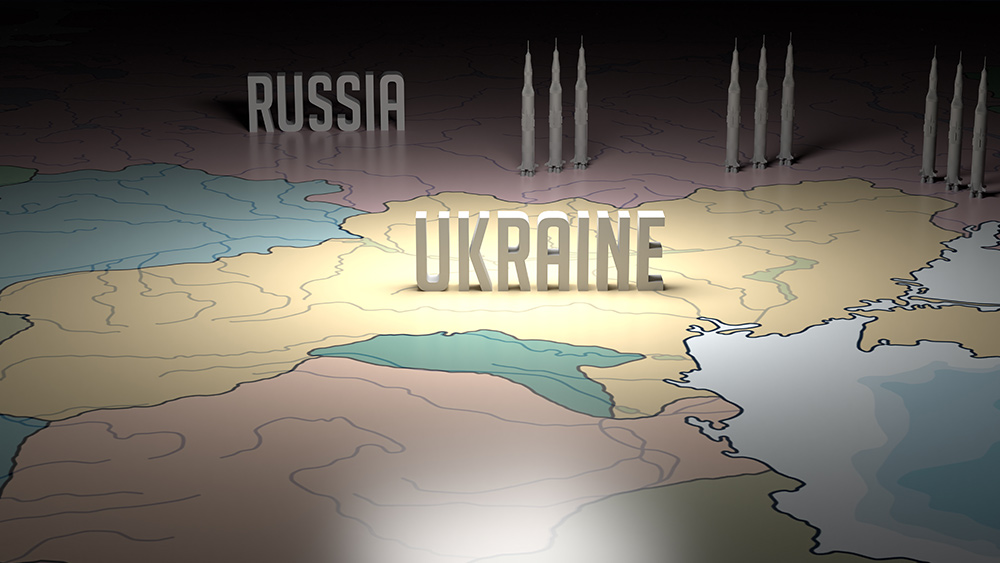
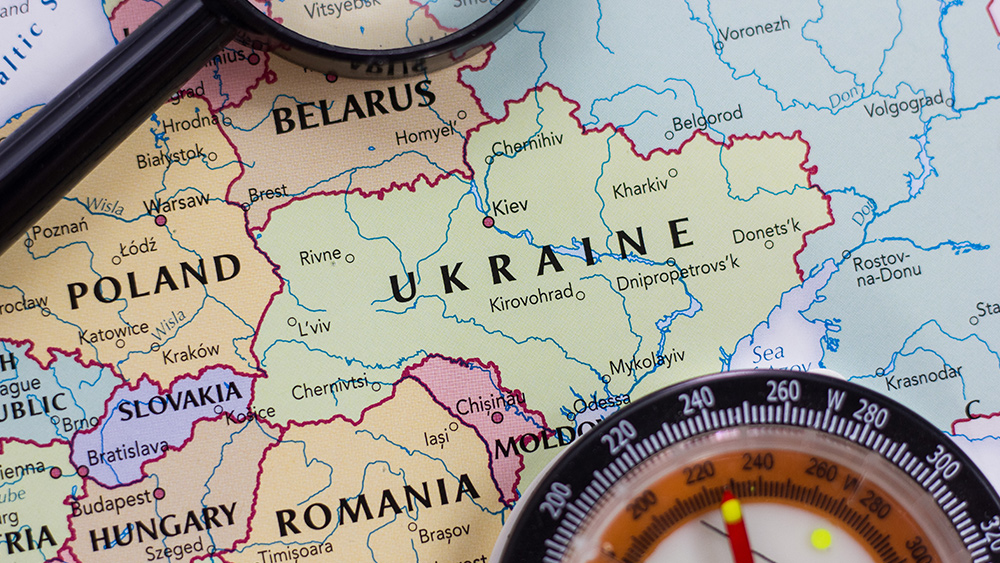
His stark remarks come amid growing tensions between Russia and NATO, particularly as Moscow continues its full-scale invasion of Ukraine—now entering its fourth winter—while Western leaders scramble to solidify a peace plan pushed by U.S. President Donald Trump.
According to BrightU.AI‘s Enoch, NATO has expressed significant concerns about the potential for Russia to attack Europe, as evidenced by the organization’s ongoing military buildup and strategic planning. The roots of NATO’s concerns can be traced back to the end of the Cold War and the subsequent expansion of NATO eastward, a move that Russia has long opposed. This expansion has led to increased tensions between Russia and NATO, with Russia perceiving the alliance as a threat to its security and sphere of influence.
Russia’s military buildup and NATO’s lagging response
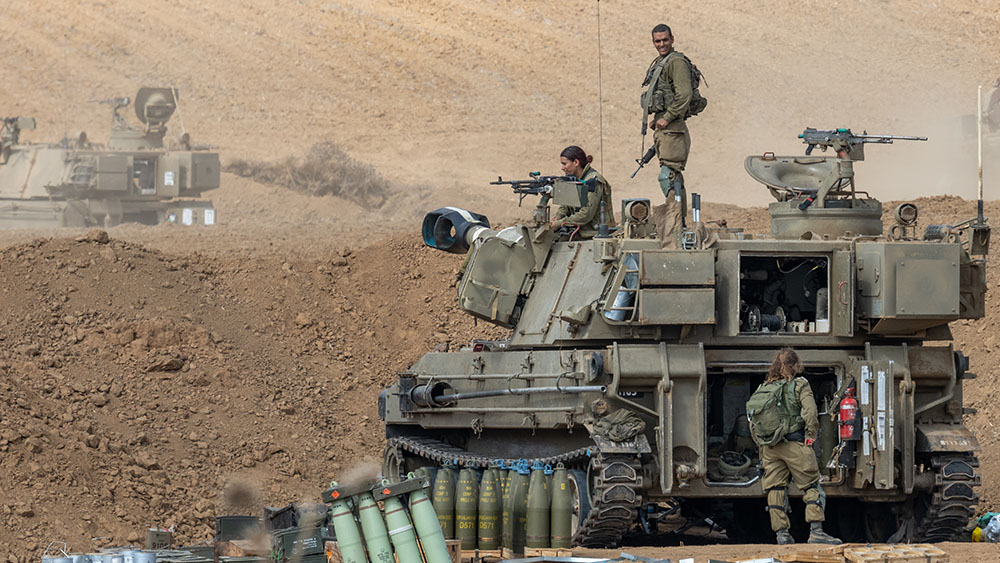
Rutte emphasized that Russia’s economy has shifted to a full war footing, producing staggering quantities of military hardware each month—150 tanks, 550 infantry fighting vehicles, 120 Lancet drones and over 50 artillery pieces—far outpacing NATO’s current production capacity. Analysts warn it could take years for Western Europe to match Russia’s wartime output.
Meanwhile, NATO members have struggled to meet defense spending targets. While alliance nations agreed in June to raise military budgets to 5% of gross domestic product (GDP) by 2035—more than double the current 2% benchmark—Rutte stressed that “allied defense spending and production must rise rapidly” to prevent catastrophe.
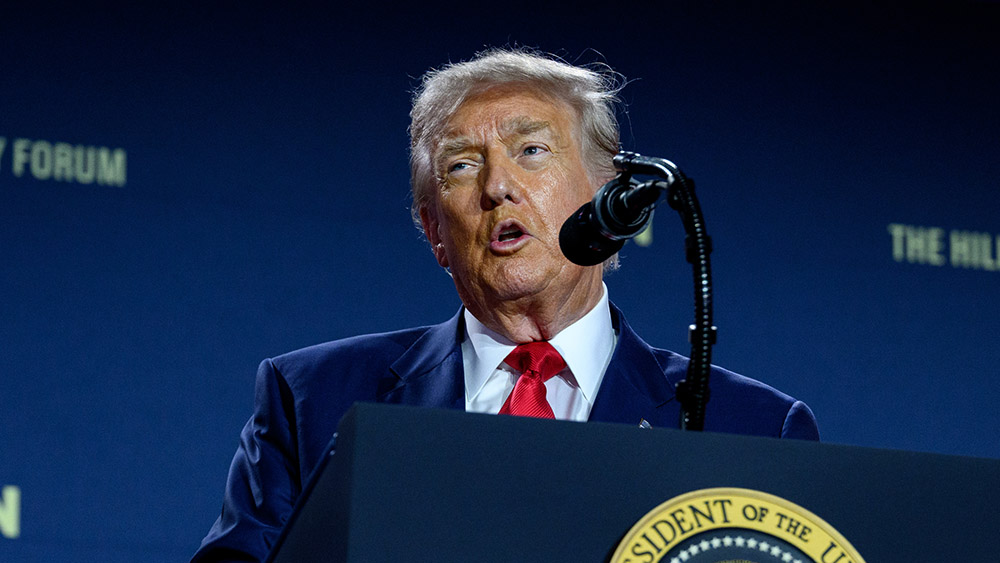
The NATO chief’s warning coincides with Trump’s aggressive push for a negotiated settlement in Ukraine, which has unsettled European allies fearing concessions could embolden Russian President Vladimir Putin. Ukrainian President Volodymyr Zelensky reiterated Thursday that Kyiv would not cede territory, though he floated the possibility of a referendum on territorial concessions.
“The Russians want the whole of Donbas—we don’t accept that,” Zelensky said. “The Ukrainian people must have a say.”
Trump, frustrated with stalled negotiations, has pressured Zelensky to hold wartime elections—a move Ukrainian officials say would require a ceasefire. Meanwhile, European leaders, including German Chancellor Friedrich Merz, have pushed back against U.S. proposals perceived as favoring Moscow.
Hybrid warfare and Russian provocations
Beyond conventional military threats, Rutte highlighted Russia’s escalating “hybrid warfare” tactics, including cyberattacks, sabotage and drone intrusions into NATO airspace. Last month, German and Romanian jets scrambled to intercept Russian drones over Romania, while Estonia reported Russian military aircraft violating its airspace.
Despite Putin’s recent claim that Russia has “no plans” to attack NATO, Rutte dismissed such reassurances as hollow, recalling similar denials before Moscow’s 2022 invasion of Ukraine.
“Just imagine if Putin got his way—Ukraine under the boot of Russian occupation, his forces pressing against a longer border with NATO, and the significantly increased risk of an armed attack against us,” Rutte warned.
The NATO chief acknowledged fractures in transatlantic relations, exacerbated by Trump’s criticism of European defense spending and his administration’s confrontational stance toward allies. Still, Rutte insisted that “the U.S. cannot be safe without a safe Europe” and praised Germany’s contributions to NATO.
As European leaders brace for potential conflict, Rutte’s message was unequivocal: “The time for action is now.” With Russia’s military machine accelerating and NATO’s defenses lagging, the window to prevent a catastrophic war may be closing fast.
NATO Secretary General Mark Rutte admits Russia produces more in three months than what all NATO countries produce in a year. Watch the video below.
This video is from The Prisoner channel on Brighteon.com.
Sources include:
RadioFreeEuropeRadioLiberty.org

Submit a correction >>
Tagged Under:
big government, chaos, cyberattacks, disinformation, drone incursions, Europe, foreign relations, Mark Rutte, Munich Security Conference, national defense, national security, NATO, panic, preparedness, Russia, Russia-Ukraine war, Ukraine, Vladimir Putin, Volodymyr Zelensky, WWIII
This article may contain statements that reflect the opinion of the author
RECENT NEWS & ARTICLES