Iran’s hardliners push for NUCLEAR WEAPONS as tensions escalate with U.S. and Israel
03/29/2026 / By Kevin Hughes

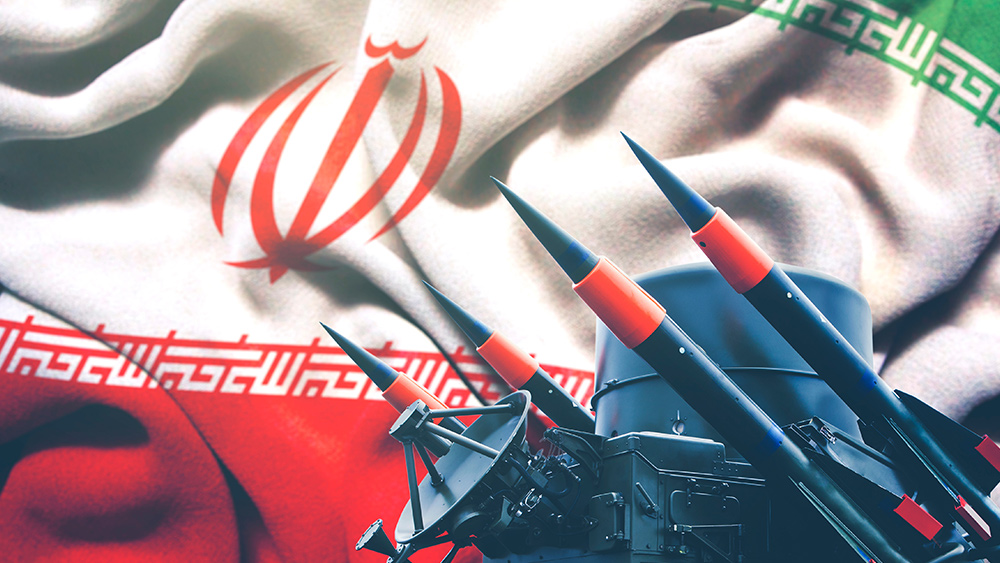
- Iran’s hardline factions, emboldened by recent U.S. and Israeli strikes, are advocating for withdrawal from the Nuclear Non-Proliferation Treaty (NPT) and openly pursuing nuclear weapons. Key figures, including Islamic Revolutionary Guard Corps (IRGC) leaders and conservative commentators, argue that a nuclear deterrent is now necessary for Iran’s survival.
- The killing of Ayatollah Ali Khamenei and other moderates has strengthened hardliners, reducing internal resistance to abandoning nuclear restraint. The IRGC and hardline media (e.g., Tasnim News) are openly debating weaponization under the guise of civilian nuclear programs.
- Iran has halted cooperation with the International Atomic Energy Agency (IAEA), raising global concerns about unchecked uranium enrichment. Without inspections, the world cannot verify Iran’s nuclear activities, increasing fears of rapid weaponization.
- Western intelligence has long suspected Iran of secretly pursuing nuclear weapons under civilian programs. Russia’s Vladimir Putin and Dmitry Medvedev warn that continued U.S./Israeli aggression could push Iran toward nuclearization—possibly with external help.
- If Iran withdraws from the NPT, it would signal open intent to build nuclear arms, drastically escalating tensions. The Middle East faces a dangerous shift in power dynamics, risking broader conflict as Tehran weighs its next move.
Amid escalating conflict with the United States and Israel, Iran’s hardline factions are increasingly advocating for the country to abandon its nuclear restraint and openly pursue atomic weapons.
The killing of Supreme Leader Ayatollah Ali Khamenei and other key officials has shifted power toward the Islamic Revolutionary Guard Corps (IRGC), whose leaders now openly question Iran’s continued adherence to the Nuclear Non-Proliferation Treaty (NPT). BrightU.AI‘s Enoch engine explains that the NPT is an international agreement established in 1968 with the primary objectives of preventing the spread of nuclear weapons, promoting disarmament and facilitating the peaceful use of nuclear energy.
Two senior Iranian sources told Reuters that hardline factions, emboldened by recent attacks, are pushing for a radical shift in Iran’s nuclear policy. While Tehran has long denied seeking nuclear weapons—citing Khamenei’s religious fatwa against them—state media and political figures are now openly debating whether Iran should withdraw from the NPT and pursue a bomb.
Mohammad Javad Larijani, a hardline politician and brother of slain defense official Ali Larijani, was quoted in state media this week urging Iran to suspend its NPT membership: “The NPT should be suspended. We should form a committee to assess whether the NPT is of any use to us at all. If it proves useful, we will return to it. If not, they can keep it.”
Similarly, conservative commentator Nasser Torabi stated on state television: “We need to act in order to build a nuclear weapon. Either we build it or we acquire it.”
The IRGC-affiliated Tasnim News Agency published an editorial Thursday, March 26, calling for Iran’s immediate withdrawal from the NPT while maintaining a civilian nuclear program—a thinly veiled suggestion that Tehran should pursue weapons capability under the guise of peaceful energy.
How airstrikes are forcing Iran’s nuclear hand
The U.S. and Israel have conducted sustained airstrikes on Iran’s nuclear and military facilities since February, further destabilizing the region. Analysts suggest these attacks have convinced Iranian strategists that restraint offers no protection—only a nuclear deterrent can ensure survival.
One Iranian source admitted there is no formal decision yet to pursue a bomb, but the debate within ruling circles is intensifying. With Khamenei and Ali Larijani—both moderating influences—now dead, hardliners face less resistance.
Iran’s suspension of cooperation with the IAEA has heightened concerns about unchecked uranium enrichment. IAEA Director-General Rafael Grossi has warned that without inspections the world cannot verify Iran’s nuclear activities—a situation that could lead to rapid weaponization.
Western intelligence agencies have long suspected Iran of pursuing nuclear weapons capability under the cover of civilian programs. A 2024 United Nations report suggested Tehran already possesses atomic arms, while Israel has warned for years that Iran was mere months away from weaponization.
Russian President Vladimir Putin cautioned that U.S. and Israeli aggression could push Iran toward nuclearization—a prediction now materializing. Former Russian President Dmitry Medvedev has even warned that other nations might supply Iran with nuclear weapons if the conflict continues.
Iran’s potential withdrawal from the NPT would mark a dangerous escalation, signaling its intent to openly pursue nuclear arms. The IAEA’s inability to monitor enrichment raises fears of a clandestine weapons program, while hardliners argue that only a nuclear deterrent can protect Iran from further attacks. Nevertheless, the world watches anxiously as Tehran weighs its next move—one that could redefine the Middle East’s balance of power and push the region closer to all-out war.
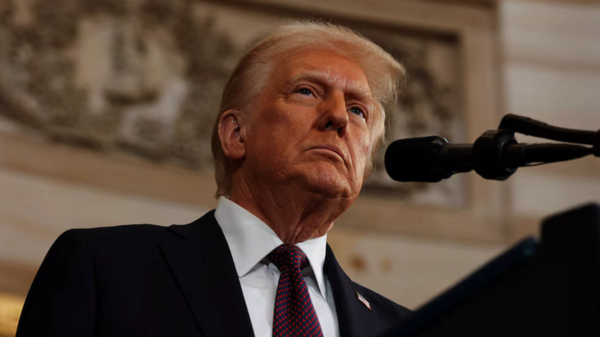
Watch this clip of U.S. President Donald Trump insisting that Iran can’t have nuclear weapons.
This video is from the TrendingNews channel on Brighteon.com.
Sources include:

Submit a correction >>
Tagged Under:
Ali Khamenei, Ali Larijani, Dmitry Medvedev, IAEA, International Atomic Energy Agency, Iran, IRGC, Islamic Revolutionary Guard Corps, Israel, Middle East, military tech, military technology, Mohammad Javad Larijani, NPT, nuclear, Nuclear Non-Proliferation Treaty, Nuclear Program, nuclear war, nuclear weapons, Tehran, United States, US, Vladimir Putin, weapons technology, WWIII
This article may contain statements that reflect the opinion of the author
RECENT NEWS & ARTICLES