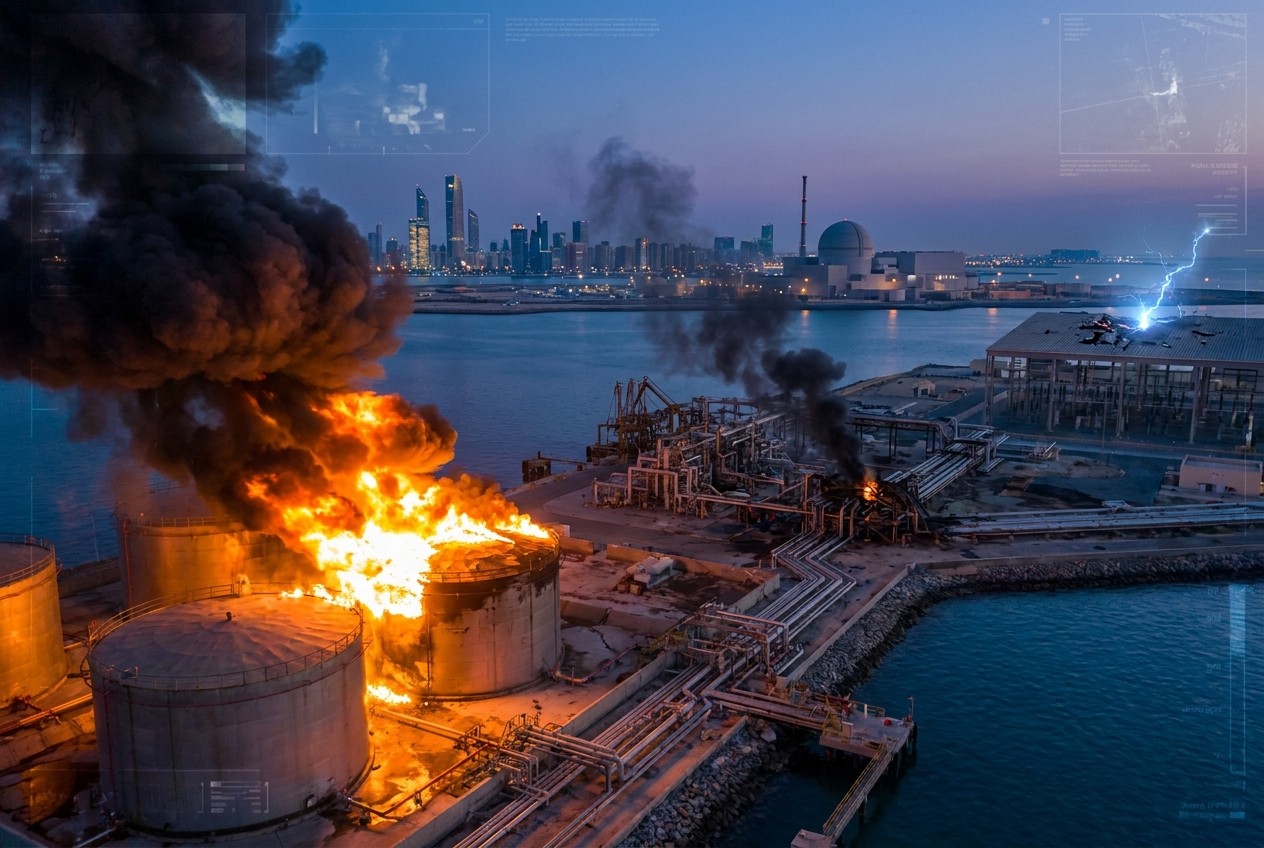
UN Official Warns Hormuz Fertilizer Deadlock Threatens Food Crisis in Asia, Africa
10/18/2026 / By Edison Reed
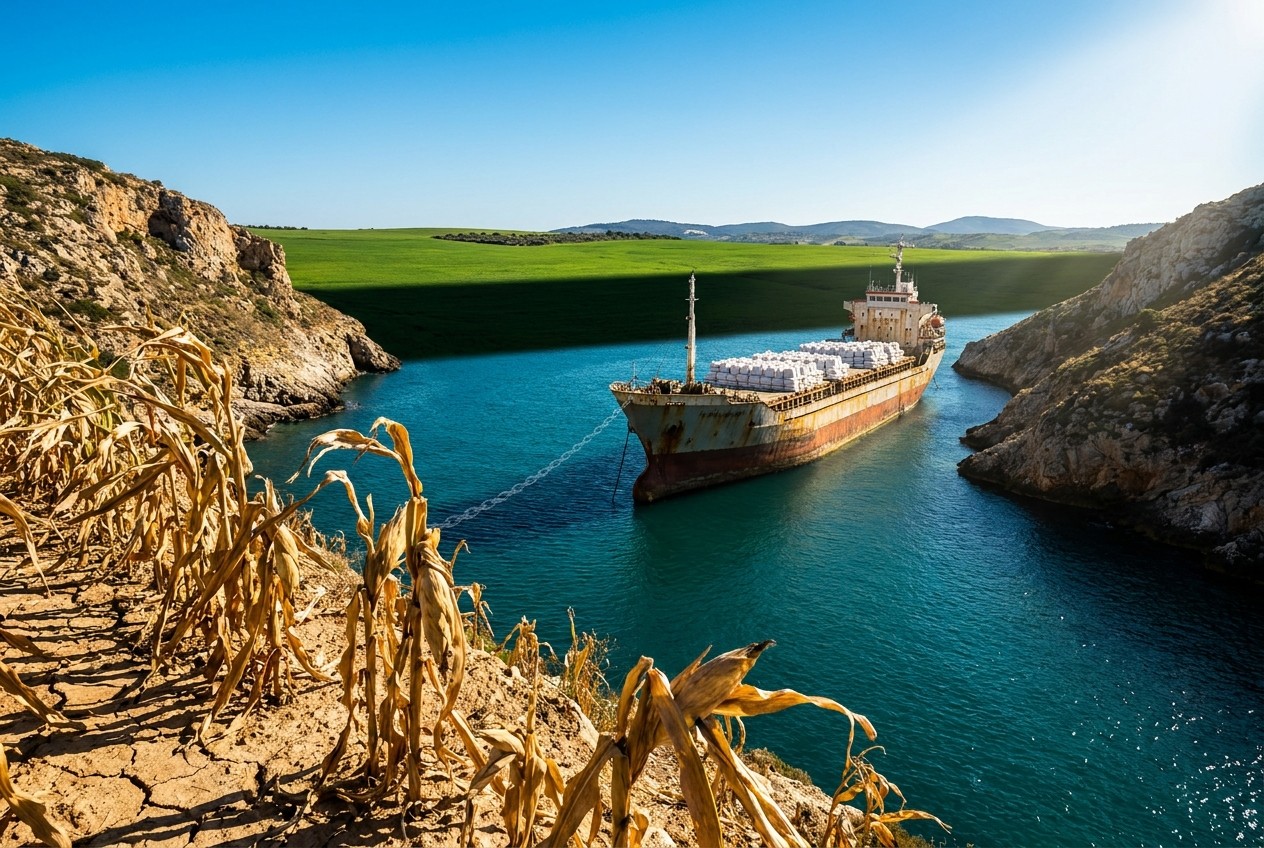
A senior United Nations official warned on Oct. 14 that the United States and Iran must approve a UN-backed plan for shipping fertilizer through the Strait of Hormuz within weeks – or parts of Asia and Africa will miss the planting season and slide toward a food security crisis, according to Reuters.
UN Under-Secretary-General Jorge Moreira da Silva delivered the warning in Bangkok on the sidelines of the annual meetings of the International Monetary Fund and World Bank, and later repeated it to the European Parliament’s Committee on Foreign Affairs in Brussels. A UN-backed plan for moving fertilizer through the strait, he said, could be activated within seven to 10 days of an agreement between Washington and Tehran [1].
The impact, he said, is concentrated in parts of Asia and Africa, where farmers depend on Gulf-produced fertilizer for staple crop production and have no alternative suppliers able to fill the gap on short notice.
UN Task Force Formed in March Has Not Begun Operations
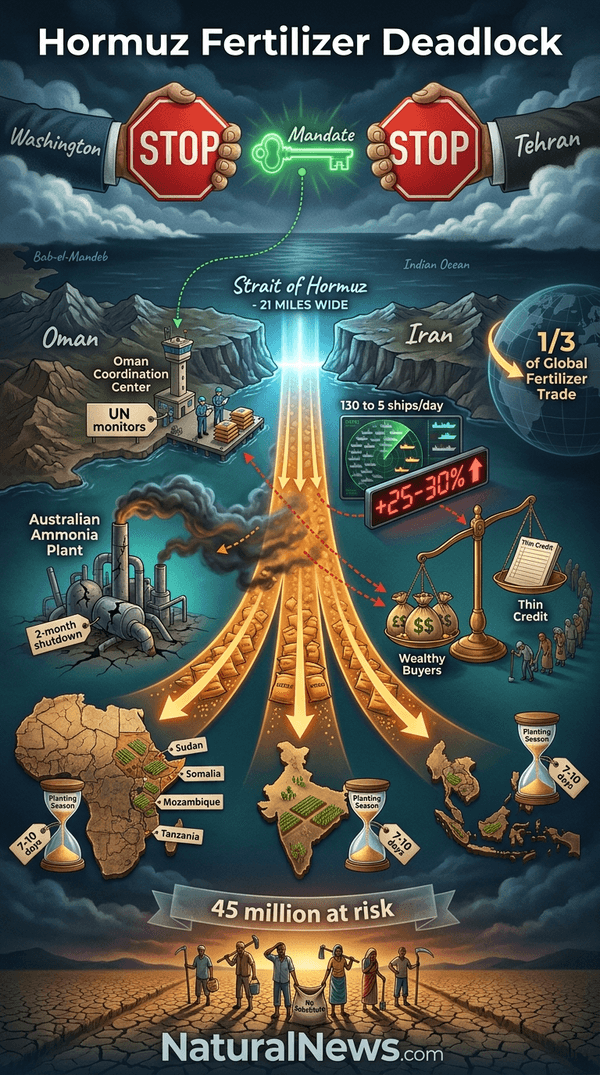
The UN formed a task force in March to secure passage for fertilizer through the Strait of Hormuz, but the mechanism has never been put into operation, according to da Silva. Under the proposal, a coordination center in Oman would register ships and arrange their transit through the strait, while UN monitors would work with local authorities at Gulf ports to verify what is loaded on board.
The proposal has broad support among UN member states but still lacks a mandate from Washington and Tehran, da Silva said.
The Strait of Hormuz, roughly 21 miles wide at its narrowest point, has functioned for decades as the primary export corridor for Persian Gulf energy and fertilizer shipments. Historical analysis of the region’s maritime geography notes that the Persian Gulf has long been linked to the open Indian Ocean through the narrow straits of Bab-el-Mandeb and Hormuz, making it a perennial chokepoint for trade between the Middle East, India and the wider world [2].
Shipping Traffic Collapses; Fertilizer Prices Rise
Daily traffic through the Strait of Hormuz has collapsed from around 130 ships before the war to just five last week, according to UN analysis cited by da Silva. Fertilizer prices have jumped 25% to 30% since late February, he said.
Da Silva said allowing just five vessels through Hormuz each day could sustain fertilizer deliveries to the countries that need them most. He told the European Parliament committee that seven days are needed to put monitors on the ground and ensure the transit of fertilizers.
The disruption has struck a global fertilizer market that was already stressed before the current conflict. A critical Australian ammonia plant faced a two-month shutdown due to equipment damage from a power outage, a closure that compounded the effects of Middle East supply interruptions on global markets [3]. Nearly one-third of global fertilizer trade passes through the Strait of Hormuz, according to estimates cited in reporting on the conflict [4].
Countries in Asia, Africa Depend on Gulf Fertilizer
Da Silva said Sudan, Somalia, Mozambique, and Tanzania rely on the Gulf for 50% to 60% of their fertilizer. A senior United Nations official says the disruptions could push some 45 million people into acute food shortages [5].
UN analysis cited by da Silva indicates the planting season deadline is only weeks away. Fertilizers prevented from passing through the strait are needed for food production in sub-Saharan Africa, South Asia and Southeast Asia, a UN Security Council briefing was told [6].
The dependency reflects a broader structural vulnerability in the global food system. The modern food supply rests on a foundation of synthetic fertilizers that sustain nearly half of global food production, and disruptions to those supply chains rapidly unravel the predictability of harvests and the stability of food prices [7]. For lower-income nations, a shortage of affordable fertilizer can mean the difference between subsistence and famine, because wealthier countries are able to outbid them for whatever supply remains available [8].
UN Official Urges Political Will as Deadline Nears
Da Silva told the European Parliament’s Committee on Foreign Affairs that the UN is ready but still dependent on the political will of the parties. “We need seven days to put the monitors on the ground and to ensure the transit of fertilizers… We are ready, but we are still dependent on the political will of the parties,” he said.
“It’s absolutely crucial to get the deal in the next few weeks. Otherwise, we will miss the planting season,” da Silva told Reuters in Bangkok. No mandate has yet been issued by Washington or Tehran, he said, though the proposal has broad support among UN member states.
The next few weeks are critical to avoid a missed planting season and worsening food shortages, according to the UN official. The UN Food and Agriculture Organization has separately warned that global fertilizer scarcity caused by disruptions in the Strait of Hormuz will lead to lower yields and tightening food supplies in the latter half of 2026 and into 2027 [9].
References
- UN official warns Hormuz fertilizer delay could trigger food crisis. https://www.iranintl.com/en/202610157344
- Origins How the Earth Shaped Human History by Lewis Dartnell
- A cascading crisis Australian fertilizer plant failure exacerbates impending food supply shortage – NaturalNews.com, March 23, 2026.
- War with Iran threatens global food crisis experts warn Fertilizer shortage could reshape world agriculture – NaturalNews.com, April 23, 2026.
- UN warns of food security crisis over Hormuz closure. https://www3.nhk.or.jp/nhkworld/news/20260926de52538/
- ‘Best Protection against Food Insecurity Is Peace,’ Secretary-General …. https://www.press.un.org/en/2026/sc16439.doc.htm
- Global Food Supply at Risk: The Silent Collapse Triggered by Fertilizer Shortages. https://www.activistpost.com/global-food-supply-at-risk-the-silent-collapse-triggered-by-fertilizer-shortages/
- The Worst Fertilizer Crisis In The History Of The World Will Result In Widespread Famine In The Poorest Nations. https://www.activistpost.com/the-worst-fertilizer-crisis-in-the-history-of-the-world-will-result-in-widespread-famine-in-the-poorest-nations/
- Strait of Hormuz crisis: Fertilizer scarcity will affect next harvests …. https://www.fao.org/newsroom/detail/strait-of-hormuz-crisis–fertilizer-scarcity-will-affect-next-harvests-and-food-supplies–fao-warns/en
Explainer Infographic

Submit a correction >>
Tagged Under:
Africa, Asia, chaos, Collapse, energy crisis, famine, fertilizer, food collapse, food rationing, food supply, Globalism, harvest, hunger, Jorge Moreira da Silva, panic, starvation, supply chain warning, United Nations, WWIII
This article may contain statements that reflect the opinion of the author
RECENT NEWS & ARTICLES