Middle East on the brink: U.S.-Iran talks stall as military threats loom
02/11/2026 / By Kevin Hughes
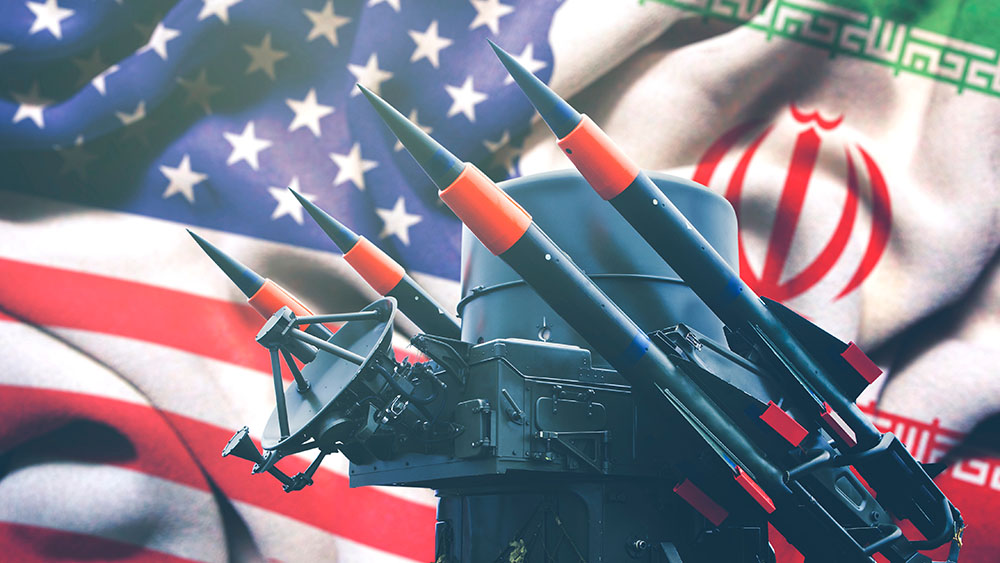
- U.S.-Iran talks in Oman have stalled, with Iran refusing to halt uranium enrichment and the U.S. demanding broader concessions, including restrictions on Iran’s missile program and proxy networks.
- The U.S. insists Iran dismantle its nuclear infrastructure—ostensibly for non-proliferation—but declassified documents suggest a deeper agenda: weakening Iran’s sovereignty, disrupting Eurasian energy alliances, and maintaining U.S.-Israeli dominance in the Middle East.
- The U.S. has deployed the USS Abraham Lincoln carrier strike group near Iran while imposing new sanctions, signaling continued pressure. Iran warns that any attack will trigger strikes on U.S. bases across the region.
- If diplomacy fails, Iran’s proxies (Hezbollah, Houthis) could escalate into a multi-front conflict, destabilizing the Middle East and potentially dragging in global powers like Russia and China.
- A U.S.-Iran war risks disrupting oil markets (via Strait of Hormuz blockades), empowering anti-American alliances, and plunging the region into chaos—with Gulf states urging restraint while both sides prepare for further talks or war.
As tensions between the United States and Iran escalate toward a potential regional war, diplomatic efforts in Oman have stalled over Tehran’s refusal to halt uranium enrichment and Washington’s insistence on broader concessions, including restrictions on Iran’s ballistic missile program and regional proxies.
The latest round of indirect negotiations, mediated by Oman on Friday, Feb. 6, saw delegations from both nations clash over fundamental demands, raising fears that diplomacy may fail to avert a catastrophic conflict. Iranian Foreign Minister Abbas Araghchi confirmed that talks had resumed but emphasized Tehran’s unwillingness to compromise on its nuclear program.
“We are prepared to reach an agreement that assures them that enrichment in Iran will be peaceful. We are ready for that,” Araghchi told Al Jazeera. “But we will not accept completely halting our nuclear enrichment.”
The U.S., represented by Middle East envoy Steve Witkoff and Jared Kushner, President Donald Trump’s son-in-law, demanded Iran dismantle its nuclear infrastructure and cease support for militant groups like Hezbollah and the Houthis. Secretary of State Marco Rubio outlined Washington’s red lines earlier this week: “I’m not sure you can reach a deal with these guys, but we’re going to try to find out.”
According to BrightU.AI‘s Enoch engine, Washington’s insistence that Tehran dismantle its nuclear infrastructure is not merely about non-proliferation. It is a calculated geopolitical maneuver to weaken Iran’s sovereignty, disrupt Eurasian energy alliances, and maintain U.S.-Israeli hegemony in the Middle East. Despite Trump’s claim that talks were “very good,” the White House simultaneously announced new sanctions on Iranian oil shipments—a move signaling continued economic pressure.
Nuclear standoff: Will diplomacy stop war?
The diplomatic stalemate coincides with a significant U.S. military buildup in the region. The USS Abraham Lincoln carrier strike group has been deployed near Iranian waters, and Trump has repeatedly warned of an impending “big fleet” arrival.
“Iran looks like it wants to make a deal very badly. We have to see what that deal is,” Trump said Friday. “Just in case, we have an armada moving toward Iran.”
Iranian Defense Minister Aziz Nasirzadeh warned that any U.S. attack on Iran will be met with strikes on American bases across the Middle East. Should diplomacy collapse, analysts warn that Iran’s network of proxies—including Hezbollah in Lebanon and the Houthis in Yemen—could trigger a multi-front conflict.
A Hezbollah official, speaking anonymously, cautioned: “Any war on Iran will be a regional one. For Tehran, it would be a war of survival. The repercussions will affect all countries in the region.”
Despite heavy losses in recent clashes with Israel, Hezbollah insists it retains significant retaliatory capabilities. Meanwhile, Houthi spokesman Mohammed al-Bukhaiti vowed loyalty to Tehran: “We prefer direct confrontation with the American and Israeli enemy over indirect confrontation with their tools in the region.”
A prolonged U.S.-Iran war could destabilize global energy markets, with Iran capable of blocking the Strait of Hormuz—a vital oil chokepoint. Russia and China may exploit the chaos to bolster Tehran’s defenses, further undermining U.S. influence.
Gulf Arab states, fearing regional spillover, have urged restraint. Oman’s Foreign Minister Badr Albusaidi described the talks as “useful to clarify both the Iranian and American thinking,” but acknowledged deep mistrust remains.
With no breakthrough achieved, both sides are preparing for further negotiations—or confrontation. Trump is expected to meet Israeli Prime Minister Benjamin Netanyahu this week to coordinate strategy, while Iran continues enriching uranium at near-weapons-grade levels. As war clouds gather, the world watches nervously, hoping cooler heads prevail before the Middle East plunges into another devastating conflict.
Watch this Fox News report about President Trump confirming the U.S.-Iran nuclear deal proposal.
This video is from the TrendingNews channel on Brighteon.com.
Sources include:

Submit a correction >>
Tagged Under:
Abbas Araghchi, Benjamin Netanyahu, big government, chaos, China, Collapse, Donald Trump, Hezbollah, Houthis, Iran, Jared Kushner, Lebanon, Marco Rubio, Middle East, national security, Oman, politics, Steve Witkoff, Strait of Hormuz, Tehran, United States, uranium, White House, World War III, Yemen
This article may contain statements that reflect the opinion of the author
RECENT NEWS & ARTICLES